Bunk Mattress vs Normal Mattress: What Should You Use on the Top Bunk?
When setting up a bunk bed for your child, most parents focus on choosing the right frame and making sure it fits the room.
But one of the most important decisions is the mattress you place on the top bunk.
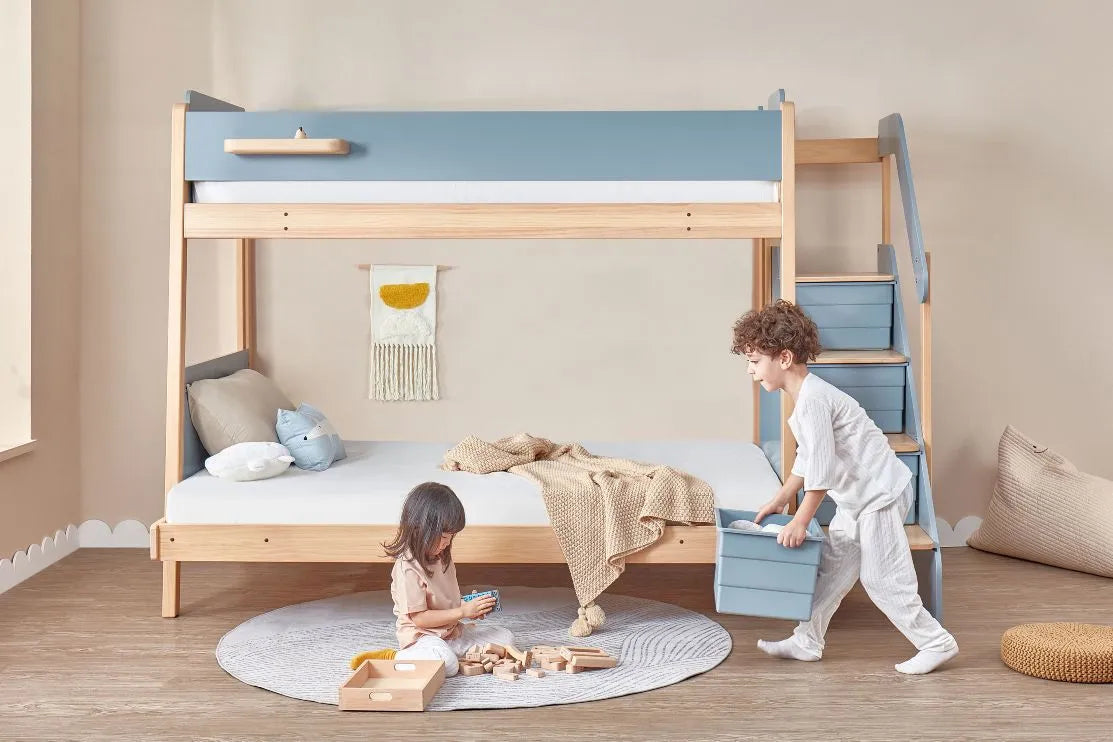
Many bunk beds are designed to be used with a low-profile bunk mattress, yet parents often place a standard mattress on the top bunk without realising it can reduce the height of the safety rail.
In this guide, we’ll explain:
-
Why bunk mattresses are thinner than standard mattresses
-
How mattress height affects bunk bed safety rails
-
The difference between a bunk mattress and a normal mattress
-
Whether thinner mattresses still provide good support
-
What to look for when choosing a mattress for a bunk bed
If you're currently setting up a bunk bed or planning to buy one, this is an important detail to get right.
Watch: Why the Mattress on Your Top Bunk Matters
Why Mattress Height Matters on a Top Bunk
The main reason bunk beds typically require a low profile mattress comes down to safety rail height.
Most bunk beds include a guard rail on the top bunk designed to help prevent accidental falls during sleep.
However, when a mattress is too thick, it can reduce how much of that safety rail sits above the mattress.
This can make the top bunk:
-
Less secure
-
More cramped for the child sleeping there
-
Less comfortable when sitting up
Because of this, most bunk bed manufacturers recommend a maximum mattress height for the top bunk.
If you're unsure what that height is, it's always best to check the product specifications or ask before choosing a mattress.
You can also explore our full guide to choosing the right mattress for kids beds here:
https://bestinbeds.com.au/blogs/between-the-sheets
Bunk Mattress vs Normal Mattress
So what exactly is the difference?
Standard Mattress
A normal mattress for a single bed is usually around 18–25cm thick, sometimes even thicker depending on the materials and comfort layers.
While this thickness can be great for adult beds, it may not be ideal for the top bunk.
Bunk Mattress
A bunk mattress is specifically designed to be lower profile, typically around 12–16cm thick.
This helps ensure the safety rail remains effective while still providing comfortable support for growing kids.
The goal is to balance comfort with safety and space.
Why Bunk Mattresses Are Lower Profile
Bunk mattresses are intentionally designed to be thinner for a few practical reasons:
1. Safety Rail Clearance
A thinner mattress ensures the guard rail remains high enough above the sleeping surface.
2. More Headroom
Lower profile mattresses create more space between the top bunk mattress and the ceiling or bunk above.
This helps the top bunk feel less cramped for children.
3. Designed for Kids
Kids generally weigh less than adults, so a well-designed foam or bunk mattress can still provide excellent support even at a lower height.
Does a Thinner Mattress Mean Less Support?
Not necessarily.
Support in a mattress comes from the quality of materials and the design of the support layers, not just the thickness.
A well-designed bunk mattress can still provide:
-
Good spinal support
-
Pressure relief
-
Breathability
-
Durability
For many kids beds and bunk beds, a quality low-profile foam mattress can be a very practical solution.
Example: Eco Kids Bunk Mattress
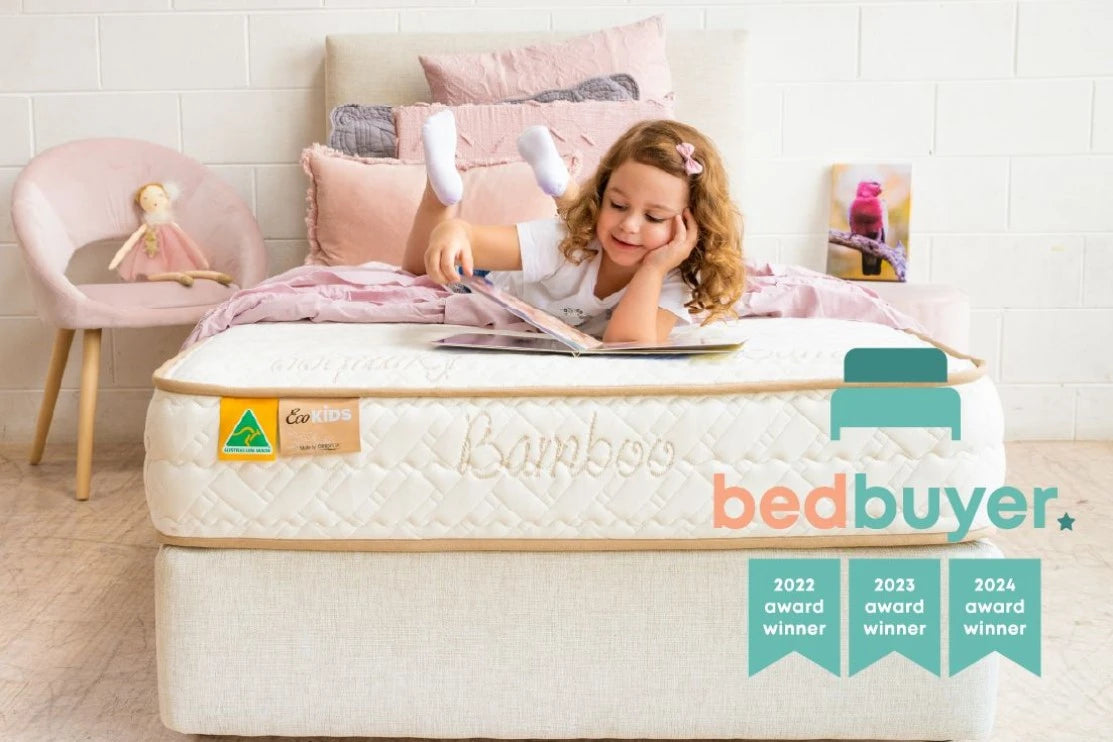
One example of a mattress designed specifically for bunk beds is the Eco Kids Bunk Mattress.
You can learn more about it here:
➡️ https://bestinbeds.com.au/products/eco-kids-bunk-mattress
This mattress was designed to work well with bunk beds and compact kids bedroom setups.
Key features include:
-
Low profile 14.5cm height ideal for bunk beds and trundle beds
-
Australian made mattress
-
Breathable bamboo fabric cover
-
Anti-microbial materials
-
Sensitive Choice approved Dunlop foams
-
Environmentally responsible certified foams
-
10 year warranty
The Eco Kids Bunk Mattress has also been awarded Australia’s Best Kids Mattress by BedBuyer in 2024, 2025 and 2026.
It’s designed to provide support for growing kids while still maintaining the correct height for bunk bed safety rails.
What to Look For in a Kids Bunk Mattress
If you're choosing a mattress for a bunk bed, here are a few things worth checking.
Mattress Height
Always check the recommended mattress height for your bunk bed frame.
Most bunk beds work best with mattresses around 12–15cm thick.
Breathable Materials
Kids can sleep warm, so breathable fabrics like bamboo covers can help improve airflow.
Quality Foam or Support Layers
Good support comes from the internal structure of the mattress, not just the thickness.
Australian Standards & Certifications
Look for mattresses made with safe, certified foams and reputable manufacturing standards.
When You Should Use a Bunk Mattress
A bunk mattress is usually recommended when:
-
You’re setting up the top bunk of a bunk bed
-
The bed frame specifies a maximum mattress height
-
You're using a trundle bed
-
The room has limited vertical space
Using a mattress that matches the bed’s design helps ensure both comfort and safety.
Key Takeaways
If you remember just a few things when choosing a mattress for a bunk bed, focus on these:
- Always check the maximum recommended mattress height for the top bunk
- Thicker mattresses can reduce the effectiveness of safety rails
- Bunk mattresses are designed to be lower profile but still supportive
- Quality materials matter more than mattress thickness
Getting the mattress height right helps ensure the bunk bed works exactly as it was designed to.
Final Advice for Parents
When choosing a bunk mattress, it’s easy to focus only on comfort.
But the height of the mattress plays an important role in how the bunk bed functions.
A mattress designed specifically for bunk beds helps maintain proper guard rail height, keeps the top bunk feeling open and comfortable, and supports a safer sleeping setup for kids.
If you're unsure which mattress is best for your bunk bed, we’re always happy to help families talk through the options and choose the right setup for their home.
You can explore our range of kids mattresses and bunk mattresses here: https://bestinbeds.com.au/collections/kids-mattress
Related Guides
You may also find these helpful:
Browse more articles here:
https://bestinbeds.com.au/blogs/between-the-sheets
Video Highlights
00:00 Why the Mattress on Your Top Bunk Matters
00:38 Can You Use a Normal Mattress on a Bunk Bed?
00:52 How Mattress Height Affects Bunk Bed Safety
01:23 Bunk Mattress vs Normal Mattress (Thickness Comparison)
01:58 Why Bunk Mattresses Are Lower Profile
02:32 Does a Thinner Mattress Mean Less Support?
02:45 Eco Kids Bunk Mattress Overview
03:14 Materials, Breathability & Allergy-Friendly Design
03:40 Australian Made Quality & Warranty
04:06 Eco-Friendly & Non-Toxic Mattress Materials
04:52 When You Should Use a Bunk Mattress
05:04 Key Takeaways When Choosing a Top Bunk Mattress
05:40 Final Advice for Parents Choosing a Bunk Mattress
Frequently Asked Questions
Can you use a normal mattress on a bunk bed?
Yes, you can use a normal mattress on a bunk bed, but it may not always be recommended for the top bunk.
Most bunk beds are designed for low-profile mattresses. A standard mattress that is too thick can reduce how much of the safety rail sits above the mattress, which may affect how well the guard rail functions.
For this reason, many manufacturers recommend using a bunk mattress designed specifically for bunk beds.
What thickness mattress should you use on a top bunk?
Most bunk beds work best with a mattress that is around 12–15cm thick.
This lower profile height helps ensure the safety rail remains high enough above the mattress to reduce the risk of rolling out during sleep.
Always check the maximum recommended mattress height listed by the bunk bed manufacturer before choosing a mattress.
Why are bunk mattresses thinner than normal mattresses?
Bunk mattresses are thinner because they are designed to work safely with top bunk guard rails.
A thinner mattress helps:
-
Maintain proper safety rail height
-
Create more headroom on the top bunk
-
Reduce the feeling of being cramped
-
Fit properly with bunk beds and trundle beds
Despite being thinner, a well-designed bunk mattress can still provide good support for growing children.
Does a thinner bunk mattress still provide good support?
Yes, a thinner mattress can still provide excellent support if it is made with high-quality materials and proper support layers.
Support in a mattress comes more from foam density, construction, and materials than simply thickness.
Many kids bunk mattresses use supportive foam layers designed for children’s weight and sleep needs.
What is the best mattress for a bunk bed?
The best mattress for a bunk bed is typically a low-profile bunk mattress designed specifically for bunk beds or trundle beds.
When choosing a bunk mattress, look for:
-
A height of around 12–15cm
-
Breathable fabrics for airflow
-
Durable support layers
-
Safe, certified materials
-
A mattress designed for kids or bunk beds
One example is the Eco Kids Bunk Mattress, designed specifically for bunk beds and compact kids bedroom setups.
Is a bunk mattress different from a regular mattress?
Yes, a bunk mattress is designed differently from a standard mattress.
The main differences are:
-
Lower profile height
-
Designed to work with bunk bed guard rails
-
Often suitable for trundle beds
-
Built for kids and lighter sleepers
A standard mattress is usually thicker and may not be suitable for the top bunk of many bunk beds.
Can you use a bunk mattress on a normal bed?
Yes, a bunk mattress can also be used on a standard single bed frame.
Because bunk mattresses are lower profile, they can be a good option for:
-
Kids beds
-
Trundle beds
-
Day beds
-
Guest beds
-
Rooms with limited space
The main difference you may notice is that bunk mattresses are typically thinner than traditional mattresses.
What mattress is best for kids bunk beds?
A good kids bunk bed mattress should balance comfort, support, and safety.
Look for features such as:
-
Low-profile design for bunk bed safety rails
-
Breathable fabrics
-
Durable foam support
-
Materials suitable for kids with sensitivities
-
A mattress designed specifically for bunk beds or children's beds
Choosing the right mattress helps ensure the bunk bed works the way it was designed.
Where can I buy a bunk mattress in Australia?
If you're looking for a mattress designed specifically for bunk beds, you can explore the Eco Kids Bunk Mattress here:
https://bestinbeds.com.au/products/eco-kids-bunk-mattress
At Best in Beds, we specialise in kids beds, bunk beds, mattresses, and bedroom furniture and help Australian families choose the right sleep setup for their space.
-
Posted in
Award Winner, Bunk Beds, Kids Beds, Kids Mattress